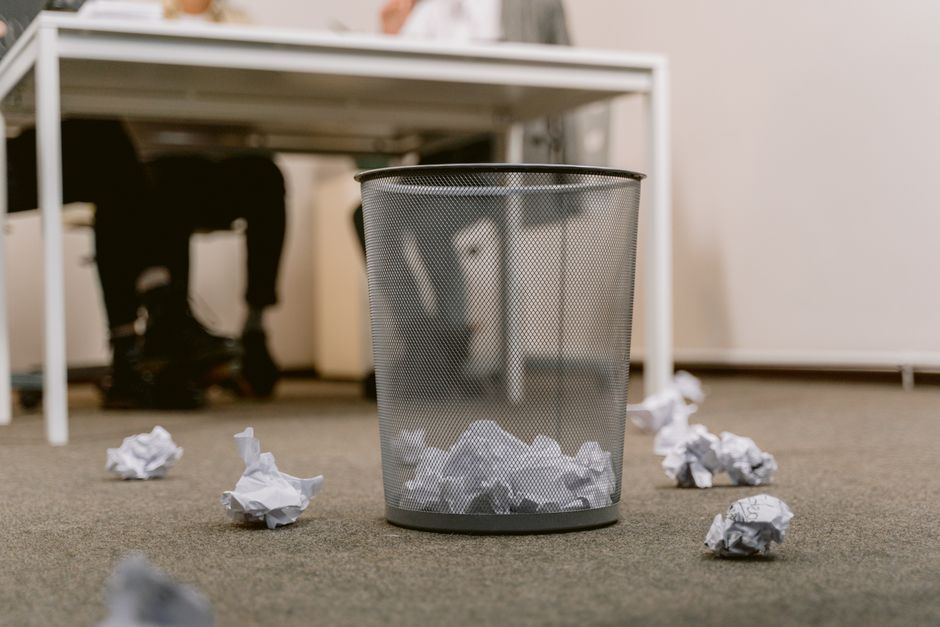
Office waste removal Barnet tips for businesses near The Hive
If you run a business near The Hive, office waste can build up faster than people expect. One week it is a few bags of mixed paper and packaging, and the next it is old furniture, confidential files, broken monitors, and that awkward pile of "we'll deal with it later" items by the printer. Good Office waste removal Barnet tips for businesses near The Hive are not just about tidiness. They help you stay organised, reduce disruption, and avoid a messy last-minute clear-out when the office starts to feel cramped.
To be fair, most offices do not need a dramatic overhaul. They need a sensible system. The right removal routine saves time, supports recycling, and keeps staff focused on actual work instead of navigating boxes in the hallway. In this guide, we will walk through what office waste removal looks like in practice, how to plan it properly, and which mistakes tend to create avoidable headaches. Nothing fancy. Just the stuff that works.
For businesses that want a broader removal service beyond desks and paperwork, it can also help to understand related options such as business waste removal and office clearance, especially if you are clearing a whole floor or refreshing your workspace.
Table of Contents
- Why this matters for businesses near The Hive
- How office waste removal works
- Key benefits and practical advantages
- Who needs this and when it makes sense
- Step-by-step guidance
- Expert tips for better results
- Common mistakes to avoid
- Tools, resources and recommendations
- Law, compliance and best practice
- Options and comparison
- Case study example
- Practical checklist
- Conclusion
- Frequently asked questions
Why Office waste removal Barnet tips for businesses near The Hive Matters
Office waste is one of those slow-burning problems. You barely notice it at first. A few old chairs here, some cardboard there, a drawer full of cables nobody admits ownership of. Then a client visits, or a staff move is due, and suddenly the whole place looks busier than it feels productive.
For businesses near The Hive, location matters too. Busy roads, limited loading space, and the practical reality of getting items out of an office without disrupting staff can all affect how waste removal is handled. If your team is close to event days, commuter traffic, or a packed business schedule, the timing of collections matters almost as much as the removal itself.
There is also the reputation side of things. A clean, well-run workplace quietly tells people that the business is organised and careful. That sounds small, but in real life it has an effect. Clients notice. Staff notice. And when a workplace feels under control, people tend to work better in it.
Expert summary: The best office waste removal plan is not the one with the biggest van or the most dramatic clear-out. It is the one that fits your office rhythm, protects confidential material, supports recycling, and keeps daily work moving with as little fuss as possible.
How Office waste removal Barnet tips for businesses near The Hive Works
Office waste removal usually starts with sorting. That sounds obvious, but it is where many businesses either save money or create extra waste. A good service will often separate general waste, recyclable materials, bulky office items, and anything that needs special handling such as confidential documents or electrical equipment.
In a practical office setting, the process often looks like this:
- Identify what needs to go, and what must stay.
- Separate the items by type where possible.
- Check for confidential, reusable, recyclable, or hazardous items.
- Arrange a collection time that suits your working hours.
- Remove items safely without blocking walkways or exits.
- Sort and process the waste for reuse, recycling, disposal, or secure destruction.
That is the clean version, anyway. Real offices can be a bit more chaotic. One department is ready to clear out, another suddenly wants to keep the spare monitors "just in case", and somebody has put old files in the wrong pile. Happens all the time.
If your office is making a broader move or replacing a lot of furniture, services like furniture clearance and furniture disposal can be useful alongside standard waste removal. That matters because office waste is rarely only paper and packaging. It is often a mix of desks, storage, chairs, screens, and day-to-day rubbish all in one go.
What usually counts as office waste?
Common office waste includes paper, cardboard, packaging, old stationery, broken office furniture, redundant IT equipment, printer consumables, and general rubbish from kitchens or break areas. Depending on your business, you may also have shredded paper, archive material, and items that need more careful handling.
And yes, the kitchen cupboard with six mismatched mugs and no actual teaspoons. That counts as office waste too, in spirit if not in a formal waste stream.
Key Benefits and Practical Advantages
Office waste removal is not only about getting rid of clutter. Done properly, it can make the office work better in several very practical ways.
| Benefit | What it means in practice | Why it matters |
|---|---|---|
| More usable space | Hallways, storage rooms, and desks are easier to use | Staff move more freely and work more comfortably |
| Better appearance | The office looks tidy and professional | Creates a stronger impression for visitors and clients |
| Less disruption | Collections can be planned around working hours | Reduces stress and avoids interrupting daily tasks |
| Improved recycling | Paper, cardboard, and reusable items are separated properly | Helps reduce landfill and supports sustainability goals |
| Lower compliance risk | Confidential and specialist waste is handled more carefully | Reduces the chance of data or safety issues |
Another benefit that people often overlook: morale. Nobody enjoys working in a cramped office full of leftover equipment and mystery boxes. It makes everything feel heavier. Once the space is cleared, the atmosphere usually changes almost immediately. Lighter, calmer, easier. You can feel it before you can explain it.
There is also a commercial angle. If you are comparing service options, a provider with transparent pricing, clear sorting methods, and sensible collection planning tends to be far easier to work with than one that just turns up with a van and hopes for the best. For a closer look at how pricing is often presented, see pricing and quotes.
Who This Is For and When It Makes Sense
Office waste removal is useful for a wide mix of businesses, not just large companies with whole floors to clear. Small offices near The Hive often need it just as much, sometimes more, because space is tighter and storage gets used inefficiently.
This is especially relevant if you are:
- moving offices or reconfiguring the layout
- closing down a branch or downsizing
- replacing desks, chairs, or filing units
- clearing old documents and archive boxes
- upgrading IT equipment
- renovating a workplace
- trying to improve recycling and reduce clutter
It also makes sense if you are in a shared or managed building and need items removed without affecting neighbours, reception areas, or access routes. A collection that works well in a quiet industrial unit might be a poor fit for a busy office entrance. Context matters. A lot.
Businesses that generate sensitive paperwork or lots of cardboard packaging usually get the biggest practical gain from a proper removal plan. If you handle documents, it is worth pairing general clearance with confidential shredding so you are not mixing secure material with ordinary waste.
Step-by-Step Guidance
If you want office waste removal to run smoothly, the safest approach is to plan it in stages. Here is a straightforward way to do that.
1. Walk the space and identify the waste streams
Start with a simple walkthrough. Look at desks, storage areas, meeting rooms, kitchens, server corners, and any odd spaces where things get dumped. Separate what is general waste, what can be recycled, and what needs specialist handling.
2. Decide what must stay and what can go
This sounds basic, but it saves more trouble than you would think. Put a named person in charge of sign-off. Otherwise, office items can sit in limbo for weeks because nobody wants to make the call.
3. Check for data-sensitive material
Any paperwork with client details, staff records, financial information, or internal notes should be treated carefully. If in doubt, keep secure shredding separate from ordinary paper recycling. Better safe than sorry, as the saying goes, and with good reason.
4. Separate bulky items and electricals
Desks, chairs, cabinets, printers, monitors, and small appliances often need special handling. Some can be reused or recycled, but not all go the same way. If there are appliances or fridge units in the mix, a specialist collection may be more appropriate.
For those situations, it can be helpful to use a targeted service such as fridge and appliance removal. That keeps the office clearance focused and prevents last-minute confusion.
5. Plan access and timing
Near The Hive, traffic, parking, and loading access can affect how long a job takes. If the removal team needs to carry items through shared spaces or around reception areas, build in extra time. Honestly, this is where many collections become more awkward than they needed to be.
6. Confirm recycling and disposal methods
Ask how the waste will be handled after collection. Reuse and recycling should come first where possible, with disposal used for the remainder. If sustainability matters to your business, this is worth asking about explicitly.
7. Keep records if needed
Some businesses prefer documentation for internal audits, waste management checks, or simple peace of mind. Keep notes of collection dates, item types, and any special handling carried out.
Expert Tips for Better Results
In our experience, the best office waste removals are usually the boring ones. Not boring in a bad way. Boring in the sense that they are calm, ordered, and free from surprises. That is what you want.
- Do a little sorting before collection day. It cuts time, reduces labour, and makes recycling easier.
- Use clear labels on boxes and piles. "Recycle", "shred", "keep", and "bulk items" are enough to stop confusion.
- Clear the heaviest or bulkiest items first. That opens space and makes the rest of the job easier.
- Keep a small skip or staging area free. Even a few square metres can save a lot of back-and-forth.
- Schedule removals outside peak office hours. Early mornings or quieter periods usually work best.
- Ask about reuse before disposal. Some chairs, desks, or storage units may still be usable elsewhere.
A small but useful tip: group items by room or department before removal. It sounds fussy, but it makes handover clearer and helps avoid disputes about what belongs where. Nobody wants the quarterly printer war.
If your waste is mostly cardboard, packaging, and office consumables, it can help to read about recycling and sustainability so your office process lines up with your environmental goals rather than working against them.
Common Mistakes to Avoid
Most office waste problems are surprisingly preventable. The trouble is that they are often treated as housekeeping issues instead of operational ones. That is where things slip.
- Mixing confidential papers with general waste. This is an obvious one, but it still happens.
- Leaving sorting until collection day. That creates delays and increases the chance of mistakes.
- Forgetting about access routes. A bulky removal can go sideways quickly if corridors are blocked.
- Assuming all furniture can be handled the same way. Some items can be reused, some dismantled, some recycled, and some need different disposal.
- Not checking what the business is actually removing. A quick scan often catches items people forgot were there.
- Choosing the cheapest option without checking what is included. This can lead to hidden charges, extra delays, or poor handling.
One of the biggest mistakes is underestimating how much time office waste takes to organise. The actual lifting may be quick. The decision-making before it? That is where the real time disappears.
If you want a practical read on pricing pitfalls, the guide on avoiding hidden charges in Barnet waste removal quotes is a useful companion piece.
Tools, Resources and Recommendations
You do not need a complicated toolkit to manage office waste well. A few simple items and a tidy process are usually enough.
Useful tools for office waste sorting
- labelled boxes or crates
- marker pens and colour tags
- basic inventory sheet
- trolley or hand truck for internal movement
- packing tape for sealed document boxes
- bagged bins for mixed general waste
Helpful planning resources
For businesses that want a clearer approach to collections, it is worth reviewing service pages and support information before booking. The main waste removal service page can help you understand the broader process, while about us gives useful context on the company's approach and working style.
If you are making a wider workspace refresh, items like spare chairs or old sofas from a waiting area may need separate handling. A focused service such as mattress and sofa disposal can be relevant if your office includes staff rest areas, reception furniture, or mixed-use premises.
And if you are trying to reduce the amount of waste generated in the first place, a bit of preventative thinking goes a long way. Fewer unnecessary deliveries. Better storage. Less duplication of equipment. Simple stuff, but powerful over time.
Law, Compliance, Standards, or Best Practice
Office waste removal in the UK is not something to guess at. You do not need to become a legal specialist, but it helps to understand the basic expectations around duty of care, safe handling, and proper disposal. Businesses are generally expected to make sure waste is passed to a responsible carrier and handled appropriately. That includes separating any hazardous material and treating confidential data with care.
Best practice usually means:
- keeping waste sorted where possible
- using a provider that can handle the relevant waste streams
- separating confidential documents from normal recycling
- being cautious with electricals, sharp items, and anything potentially hazardous
- making sure storage areas are safe and not blocking exits
If your office produces items like paint, chemicals, cleaning products, or other specialist materials, those need more careful assessment. A standard office clearance is not the place to cut corners. The same goes for any waste that could pose a health or safety concern.
It is also wise to think about data protection in plain English terms: if a document, device, or storage medium contains personal or business-sensitive information, handle it as though it matters. Because it does.
For businesses wanting a stronger internal process around safety, the pages on health and safety policy and insurance and safety are sensible references before any larger clearance.
Options, Methods, or Comparison Table
Different offices need different approaches. A small firm with a few desks will not need the same setup as a larger operation clearing multiple rooms. Here is a simple comparison to help you judge what fits best.
| Method | Best for | Pros | Watch out for |
|---|---|---|---|
| Regular scheduled collection | Ongoing office waste | Keeps the workplace tidy and predictable | May not suit bulky one-off items |
| One-off office clearance | Moves, refurbishments, closures | Fast, comprehensive, less admin | Needs more planning and access coordination |
| Mixed waste sorting in-house | Offices with time and space | Improves recycling and control | Requires staff discipline and storage space |
| Specialist document shredding | Sensitive paperwork | Protects confidentiality | Must be separated from general waste |
| Targeted bulky item removal | Furniture and appliances | Efficient for large items | May need separate booking or handling |
The right choice often depends on how often waste is generated, how much space you have, and whether you are dealing with regular rubbish or a one-off clear-out. If the office is only generating a few bags a week, regular removal may be enough. If you are ripping out old furniture and filing cabinets, a larger clearance is usually simpler.
Case Study or Real-World Example
A small professional office near The Hive decided to clear out a back storage room that had quietly become a dumping ground for obsolete files, broken chairs, spare monitors, and boxes of packaging from equipment deliveries. Nothing dramatic. Just that familiar "we'll move it later" pile that somehow grows teeth.
The team started by separating paper records from furniture and electrical items. One manager handled the sign-off on what could be destroyed, while another checked which items were still usable. A few chairs were kept for a meeting room. A couple of monitors were set aside for assessment. The rest was grouped by category before collection day.
Because the office was on a busy route, they arranged a quieter collection slot and made sure the access path through reception stayed clear. That small detail saved a lot of frustration. What could have become a half-day disruption turned into a smooth tidy-up with very little interruption to staff.
The surprising part, according to the team, was how much calmer the space felt afterwards. Not bigger, exactly. Just easier to breathe in. The storage room stopped being a nuisance and became an actual storage room again. Small win, big impact.
Practical Checklist
Use this checklist before arranging office waste removal:
- Identify all waste types in the office
- Separate confidential documents from general paper waste
- List bulky items, furniture, and electrical equipment
- Decide what can be reused, donated, recycled, or disposed of
- Check access routes, lifts, stairs, and parking constraints
- Choose a collection time that avoids peak disruption
- Prepare labels or notes for grouped items
- Confirm how specialist items will be handled
- Review pricing and what is included
- Keep any internal records you may need afterwards
Quick reminder: if a box has not been opened in three years and nobody can explain why it exists, it may be time to let it go. Harsh, maybe. Accurate, definitely.
Conclusion
Office waste removal near The Hive works best when it is treated as part of normal business upkeep, not as a once-a-year panic. A clear sorting process, sensible timing, and the right handling for documents, furniture, and electricals can save time and reduce stress fast. More than that, it helps your workplace feel more professional and less cluttered, which is something both staff and visitors notice.
Truth be told, the best results usually come from keeping things simple: sort early, separate sensitive material, plan access properly, and choose a service that fits the job instead of forcing the job to fit the service. That is the whole trick, really.
Get a free quote today and see how much you can save.
And if you are still weighing up your options, take your time, ask the practical questions, and trust the process. A tidy office has a way of making everything else feel more manageable.
Frequently Asked Questions
What is office waste removal for businesses near The Hive?
It is the collection and responsible handling of office rubbish, bulky items, confidential documents, furniture, and other work-related waste from businesses near The Hive and across Barnet.
How often should an office arrange waste removal?
That depends on how much waste the office produces. Small offices may only need occasional collections, while busier workplaces often benefit from a regular schedule.
Can office waste include old desks and chairs?
Yes. Office waste often includes furniture, but those items may need a separate bulky-item or clearance service rather than ordinary bin collection.
What should we do with confidential paperwork?
Keep it separate from general waste and arrange secure shredding or another secure destruction method. Mixing it with ordinary recycling is not a good idea.
Is office waste removal the same as office clearance?
Not exactly. Waste removal is usually more focused on rubbish and disposal, while office clearance can cover a broader mix of items, including furniture and fittings.
How can we reduce office waste before booking a collection?
Sort items in advance, reuse what you can, recycle cardboard and paper properly, and avoid keeping broken or redundant equipment "just in case". That phrase causes trouble everywhere.
Do electrical items need special handling?
Yes, they often do. Monitors, printers, and appliances should be checked before removal so they can be handled safely and in the right waste stream.
What if our office has difficult access?
That should be explained before collection day. Narrow corridors, stairs, restricted parking, or shared entrances can affect timing and planning.
How do we know if a waste removal provider is suitable?
Look for clear pricing, sensible handling of different waste types, good communication, and a process that matches your office needs rather than a one-size-fits-all approach.
Can office waste removal help with recycling?
Yes. A good service should separate recyclable materials where possible and reduce the amount sent to landfill.
What is the biggest mistake businesses make with office waste?
Leaving everything until the last minute. It usually turns a manageable clear-out into a rushed, messy job with more disruption than necessary.
Where can I find more help with Barnet office waste planning?
Start with the service pages for office and business waste, then review practical guides on pricing, recycling, and compliance so you can plan the job properly.